-
 ★ Bestseller
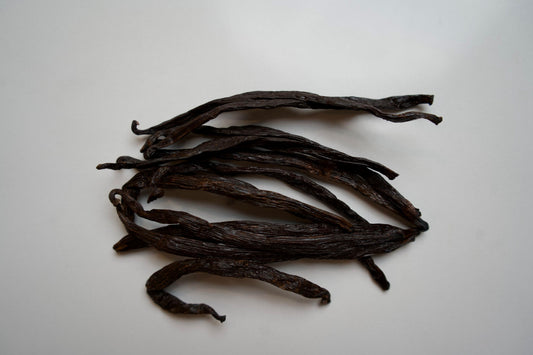
Ecuador - Tahitensis Vanilla Beans
Regular price From $39.00 USDRegular priceUnit price per -
 ★ Bestseller
Cook Islands - Tahitensis Vanilla Beans
Regular price From $79.00 USDRegular priceUnit price per -
Papua New Guinea Tahitensis Vanilla Beans
Regular price From $59.00 USDRegular priceUnit price per -
Indonesia - West Papua - Tahitensis Vanilla Beans
Regular price From $37.00 USDRegular priceUnit price per -
Tahiti - Tahitensis Vanilla Beans
Regular price From $169.00 USDRegular priceUnit price per -
Marquesas Islands - Tahitensis Vanilla Beans
Regular price From $179.00 USDRegular priceUnit price per -
Madagascar - Tahitensis Vanilla Beans
Regular price From $75.00 USDRegular priceUnit price per -
 Sold out
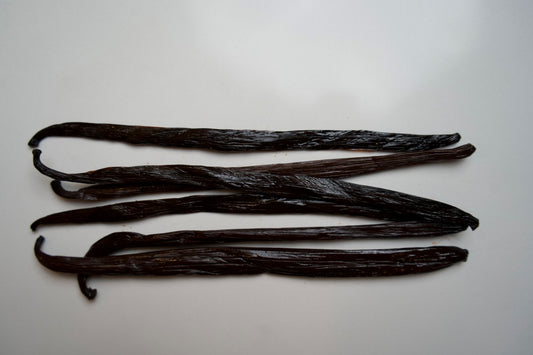
Tonga - Tahitensis Vanilla Beans
Regular price From $115.00 USDRegular priceUnit price per -
 Sold out
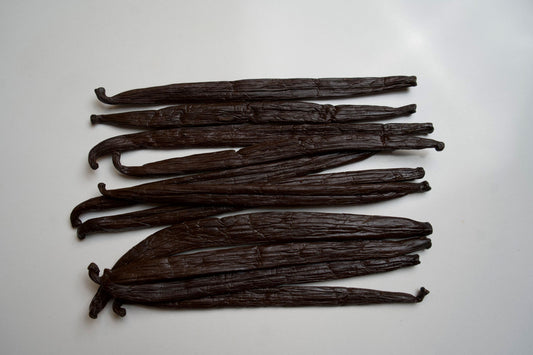
Viet Nam - Tahitensis Vanilla Beans
Regular price From $119.00 USDRegular priceUnit price per -
 Sold out
Niue - Tahitensis Vanilla Beans
Regular price From $169.00 USDRegular priceUnit price per


Tahitian vanilla is a species, not only a place
Vanilla tahitensis is a different species from the planifolia behind most of the world's vanilla, and it tastes like it — floral, with cherry and anise character where planifolia gives caramel and cream. When people say "Tahitian vanilla," they almost always mean this species.
That is why tahitensis from Ecuador, Papua New Guinea and Viet Nam is genuinely Tahitian vanilla in the sense the trade uses the term. Vanilla actually grown in Tahiti is one origin among several — and we carry it alongside nine others.
Choosing by origin
Tahiti — the iconic origin, with the floral, cherry and anise character the species is known for.
Cook Islands (10–20 m) — some of the very finest tahitensis we have sourced. Deep, fragrant vanilla aroma with floral, dry cherry and anise notes, from one of the world's most remote growing regions.
Marquesas Islands (400 m) — sweet and bold, with strong notes of cotton candy and hints of smoke and tropical fruit. Exceptionally rare, less than 1% of all vanilla beans, and larger than other tahitensis varieties.
Ecuador (400 m) — fruity and smooth with subtle notes of apricot, cherry and plum. Cured at lower humidity than traditional Tahitian vanilla, which gives the beans a beautiful oily sheen considered a delicacy among professional chefs.
Papua New Guinea — volcanic soil, high humidity and traditional curing give these beans a character all their own, with caramel, chocolate and cherry notes. Well suited to craft brewing, distilling and chocolate work.
We also carry tahitensis from Indonesia's West Papua, Niue, Tonga and Viet Nam as harvests allow.
What to use it for
Tahitensis is the choice when aroma matters more than sweetness — ice cream, custards, pastry cream, cocktails, and anything served where the perfume carries. Its floral, fruit-forward character is distinctive enough that it is rarely a straight substitute for planifolia; treat it as a different ingredient rather than a different brand of the same one.
Sizes and sourcing
Available from a quarter pound upward. Tahitensis harvests are smaller and less predictable than planifolia, so origins rotate through stock — if one you want is unavailable, tell us and we will let you know when it lands. Browse all 40+ origins and 9 species, or compare with our Planifolia vanilla beans.