-
 ★ Bestseller
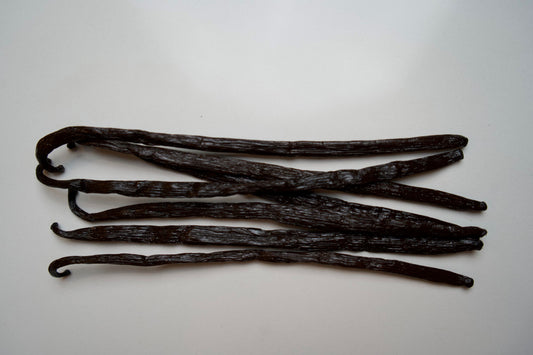
Madagascar Planifolia Vanilla Beans - Certified Organic
OrganicRegular price From $35.00 USDRegular priceUnit price per -
 ★ Bestseller
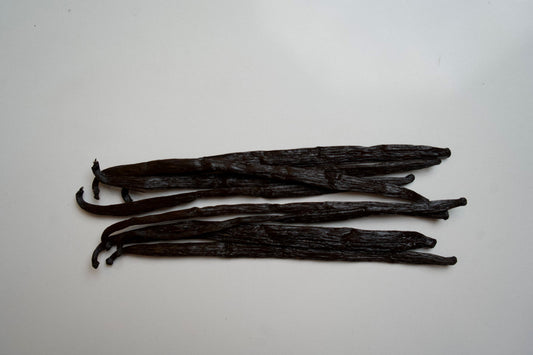
Comoros - Planifolia Vanilla Beans
Regular price From $49.00 USDRegular priceUnit price per -
 ★ Bestseller
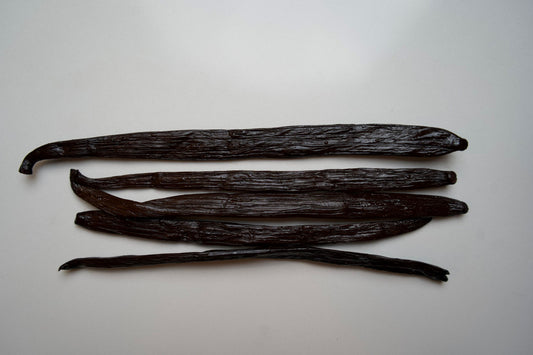
Uganda - Planifolia Vanilla Beans
Regular price From $29.00 USDRegular priceUnit price per -
Congo Planifolia Vanilla Beans - B Grade
Regular price From $49.00 USDRegular priceUnit price per -
Vanuatu - Planifolia Vanilla Beans
Regular price From $75.00 USDRegular priceUnit price per -
Tanzania - Planifolia Vanilla Beans
Regular price From $49.00 USDRegular priceUnit price per -
 ★ Bestseller
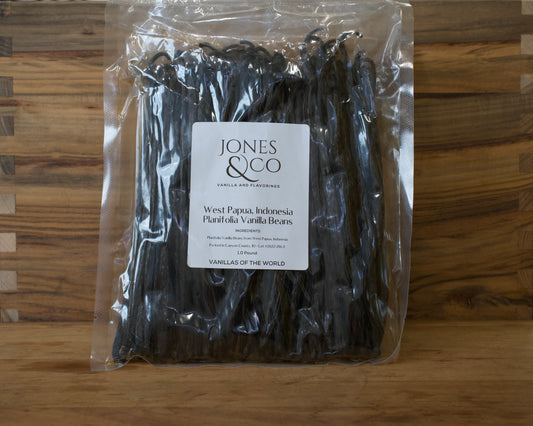
Indonesia - West Papua - Planifolia Vanilla Beans
Regular price From $35.00 USDRegular priceUnit price per -
Mexico - Veracruz - Planifolia Vanilla Beans
Regular price From $99.00 USDRegular priceUnit price per$0.00 USDSale price From $99.00 USD -
India - Planifolia Vanilla Beans
Regular price From $35.00 USDRegular priceUnit price per -
Papua New Guinea Planifolia Vanilla Beans
Regular price From $59.00 USDRegular priceUnit price per -
East Timor - Planifolia Vanilla Beans
Regular price From $45.00 USDRegular priceUnit price per -
Brazil - Planifolia Vanilla Beans - Certified Organic
OrganicRegular price From $119.00 USDRegular priceUnit price per -
Indonesia - Alor Island- Planifolia Vanilla Beans - Certified Organic
OrganicRegular price From $49.00 USDRegular priceUnit price per -
Sri Lanka - Planifolia Vanilla Beans - Certified Organic
OrganicRegular price From $95.00 USDRegular priceUnit price per -
Hawaii Planifolia Vanilla Beans Grown in the USA
Regular price From $139.00 USDRegular priceUnit price per -
Madagascar - Planifolia Vanilla Beans - Certified Organic - Grade B
OrganicRegular price From $39.00 USDRegular priceUnit price per -
New Caledonia - Planifolia Vanilla Beans
Regular price From $159.00 USDRegular priceUnit price per -
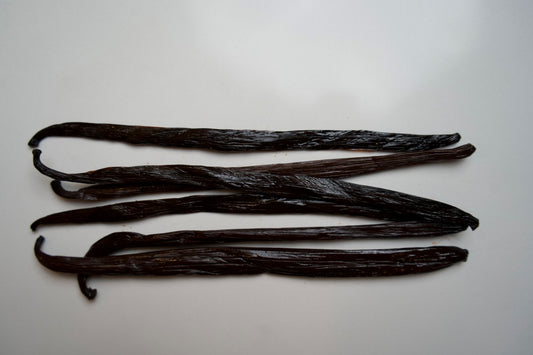 Sold out
Tonga - Planifolia Vanilla Beans
Regular price From $109.00 USDRegular priceUnit price per -
Mexico - Planifolia Vanilla Beans - B Grade
Regular price From $75.00 USDRegular priceUnit price per$0.00 USDSale price From $75.00 USD -
Australia - Planifolia Vanilla Beans
Regular price From $119.00 USDRegular priceUnit price per -
Uganda - Planifolia Vanilla Beans - Grade B
Regular price From $29.00 USDRegular priceUnit price per -
Dominican Republic - Planifolia Vanilla Beans
Regular price From $109.00 USDRegular priceUnit price per -
Ghana - Planifolia Vanilla Beans - Certified Organic
OrganicRegular price From $105.00 USDRegular priceUnit price per -
Thailand - Planifolia Vanilla Beans
Regular price From $155.00 USDRegular priceUnit price per -
Mexico - Hidalgo - Planifolia Vanilla Beans
Regular price From $109.00 USDRegular priceUnit price per$0.00 USDSale price From $109.00 USD -
Haiti - Planifolia Vanilla Beans
Regular price From $145.00 USDRegular priceUnit price per -
Sao Tome & Principe - Planifolia Vanilla Beans
Regular price From $159.00 USDRegular priceUnit price per -
Comoros - Planifolia Vanilla Beans - B Grade
Regular price From $45.00 USDRegular priceUnit price per -
Fiji - Planifolia Vanilla Beans
Regular price From $129.00 USDRegular priceUnit price per -
Uganda - Planifolia Vanilla Beans - Super Premium
Regular price From $39.00 USDRegular priceUnit price per -
Philippines - Planifolia Vanilla Beans
Regular price From $119.00 USDRegular priceUnit price per -
Mexico - Oaxaca - Planifolia Vanilla Beans
Regular price From $109.00 USDRegular priceUnit price per$0.00 USDSale price From $109.00 USD -
Taiwan - Planifolia Vanilla Beans
Regular price From $139.00 USDRegular priceUnit price per -
Nicaragua - Planifolia Vanilla Beans
Regular price From $115.00 USDRegular priceUnit price per -
French Guiana - Planifolia Vanilla Beans
Regular price From $109.00 USDRegular priceUnit price per -
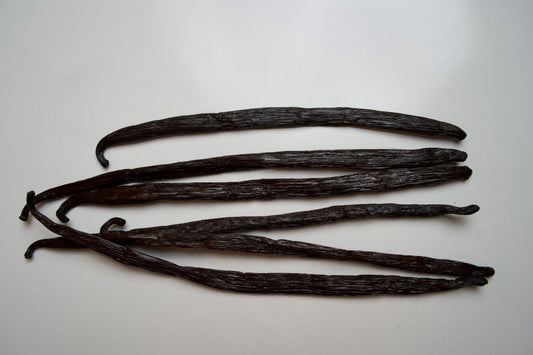 Sold out
Mauritius - Planifolia Vanilla Beans
Regular price From $139.00 USDRegular priceUnit price per -
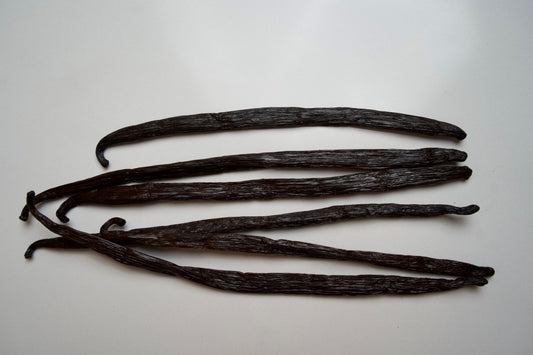 Sold out
Reunion - Planifolia Vanilla Beans
Regular price From $165.00 USDRegular priceUnit price per -
Malaysia - Planifolia Vanilla Beans
Regular price From $49.00 USDRegular priceUnit price per
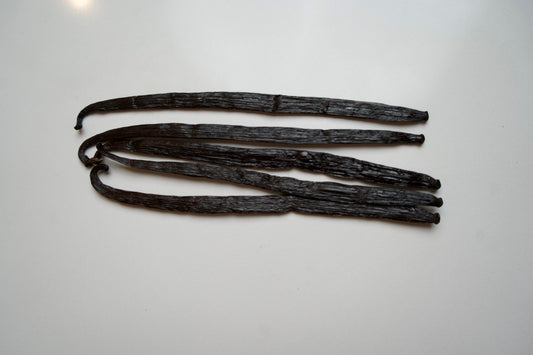









What Vanilla planifolia is
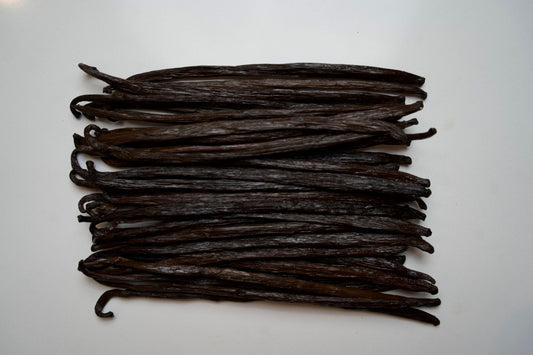
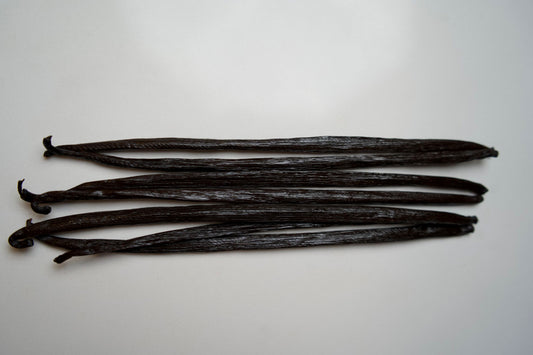
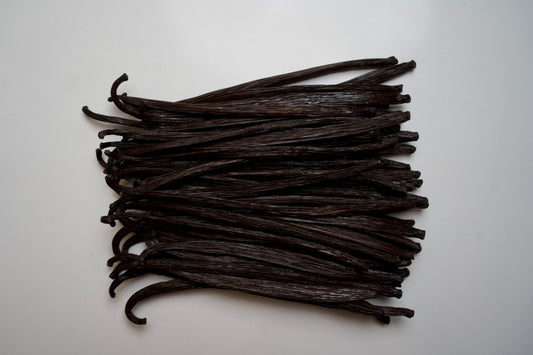
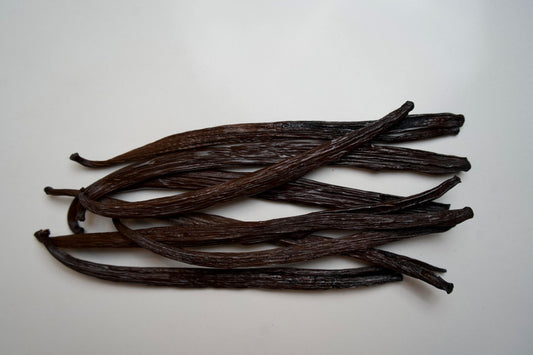
Vanilla planifolia is the species behind the overwhelming majority of the world's vanilla, and the one nearly every recipe means when it says "vanilla." It is the species sold as Bourbon vanilla when it grows in the Indian Ocean islands, and it is the backbone of commercial extract everywhere.
What most suppliers cannot tell you is how differently it behaves depending on where it grew. We carry planifolia from 30 origins — the same species, cured by different hands, at elevations from 10 to 1,800 metres — and they do not taste alike.
Choosing by character
Creamy and caramel-forward — the classic profile most people picture. Madagascar (caramel, butter, sweet balsamic), Comoros (creamy with marshmallow and chocolate), Tanzania (deep and creamy with a note of cacao), São Tomé (cocoa, caramel, candied fruit), Australia (caramel, chocolate, nutmeg).
Chocolate-forward — New Caledonia (dark chocolate and caramel, cured nearly a year), Fiji (chocolate and fruit, light in colour), Vanuatu (strong chocolate with nutmeg), French Guiana (chocolate, raisin, earthy depth), Hawaii (chocolate and honey), Indonesia West Papua (dark chocolate and caramel).
Fruity and bright — Uganda (bold and fruity, figs and raisins), Taiwan (salted raisin, balsamic, dried fruit), Tonga (cherry, marshmallow, liquorice), Thailand (mocha, butterscotch, fig), Haiti and the Dominican Republic (floral with dried fruit).
Smoky, woody and spiced — India from Kerala's Western Ghats (sweet, woody and smoky with caramel and rum), Papua New Guinea (bold and earthy with smoky undertones), Ghana (earthy, anise, allspice), Mexico from Veracruz (sweet and woody with cloves and nutmeg).
Unusually high vanillin — Congo produces beans with some of the highest vanillin levels we have seen, with small crystals visible on the bean exterior. New Caledonia beans arrive crystal-covered after nearly a year of curing and conditioning.
Grade A or Grade B?
Grade A beans hold more moisture and stay supple, so you can split and scrape them — right for custards, ice cream, and anything where the seed specks should be visible. Grade B beans are drier and less pliable, which makes them the standard choice for making extract and infusions. Same plant, same region, prepared to different ends. We go into the sorting process in our guide to vanilla bean grading.
Sizes and sourcing
Every origin is available from a quarter pound upward, most to 11 pounds / 5 kilos, with Certified Organic options from several origins. If you want to go deeper on a single origin, start with our Madagascar guide, compare with our Tahitensis vanilla beans, or browse all 40+ origins and 9 species.